To connect Bluetooth headphones to an Xbox One, you need a specialized Bluetooth audio transmitter that plugs into your Xbox One controller’s 3.5mm headphone jack. The Xbox One console itself does not natively support Bluetooth audio, relying instead on its proprietary Xbox Wireless protocol for low-latency connections. This workaround converts the controller’s audio output into a Bluetooth signal, allowing you to pair your headphones directly with the adapter for wireless gaming sound.
Why Your Xbox One Doesn’t Play Nicely with Standard Bluetooth
A generic USB Bluetooth dongle plugged directly into your Xbox One console will not enable Bluetooth audio because the Xbox One primarily uses its proprietary “Xbox Wireless” protocol. This technology is optimized for low latency and high bandwidth, which is crucial for a seamless gaming experience. Bluetooth, while versatile, typically has higher latency, leading to frustrating audio delays in fast-paced games. Microsoft’s design prioritized a specific, low-latency wireless ecosystem over universal Bluetooth compatibility for the console itself.
The Real “Bluetooth Dongle for Xbox One”: Audio Adapters
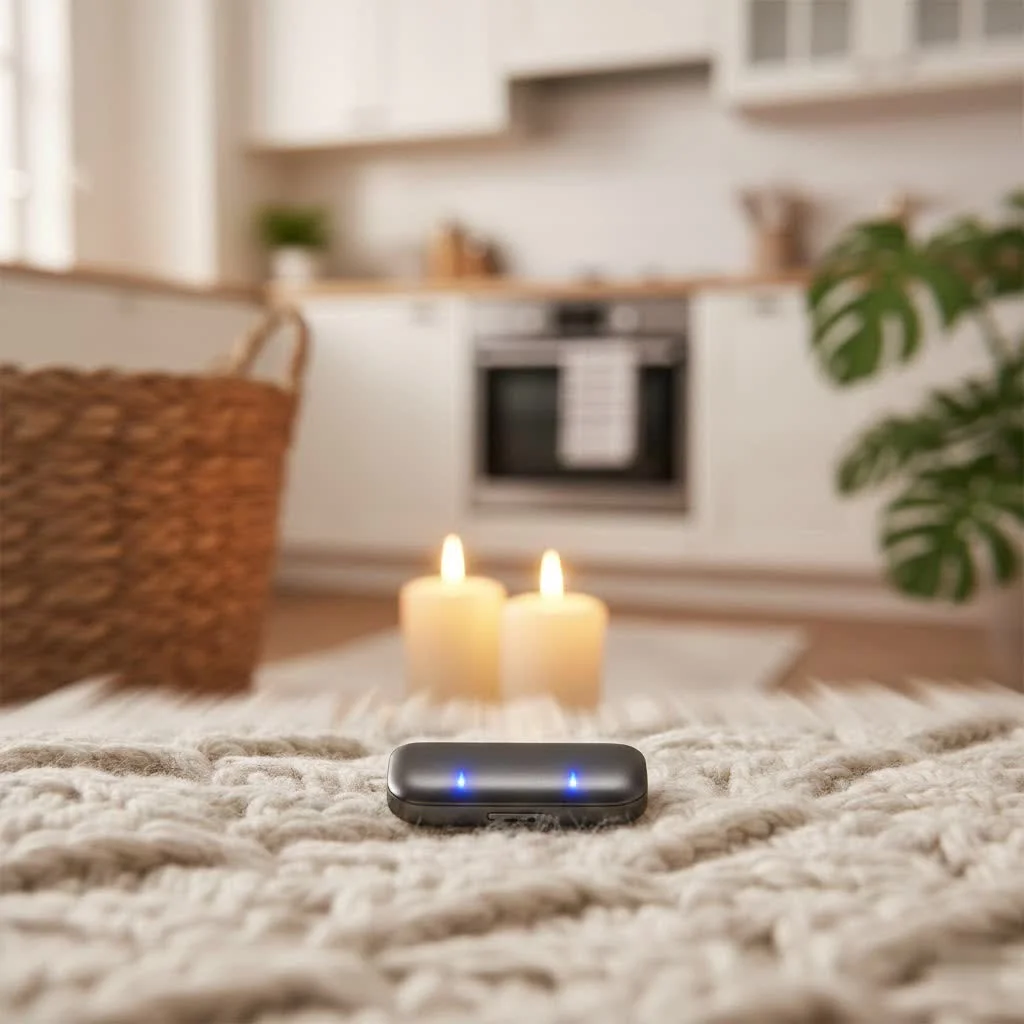
When discussing a “Bluetooth dongle for Xbox One,” we are referring to a specialized Bluetooth audio transmitter that plugs into your Xbox One controller’s 3.5mm headphone jack. These devices convert the audio output from your controller into a Bluetooth signal, enabling you to pair your Bluetooth headphones directly with the adapter. This effective workaround brings wireless audio to your gaming sessions.
Different Kinds of Wireless Solutions
While a 3.5mm jack Bluetooth audio transmitter is the most common “dongle” solution for Xbox One, other wireless connectivity types exist:
- Dedicated Xbox Wireless Headsets: These connect directly to the Xbox One console using Microsoft’s proprietary Xbox Wireless protocol, offering the most seamless and low-latency experience without any dongle.
- USB Wireless Headsets with Proprietary Dongles: Some gaming headsets include their own dedicated USB dongle that plugs into the Xbox One, utilizing their own 2.4GHz wireless frequency. These are not Bluetooth.
- Bluetooth Adapters for PC: To connect an Xbox One controller to a PC via Bluetooth, you would use a standard Bluetooth dongle on your PC. This differs from obtaining Bluetooth audio from the Xbox One console itself.
For this guide, our focus remains on enabling Bluetooth audio from the Xbox One to your favorite Bluetooth headphones, which requires a 3.5mm audio transmitter.
How to Connect Bluetooth Headphones to Xbox One Using an Audio Adapter
Connecting your Bluetooth headphones using a 3.5mm audio adapter is straightforward, providing your Xbox One controller with the Bluetooth capability it lacks. Here’s a step-by-step guide:
- Acquire a Compatible Bluetooth Audio Transmitter: Ensure it’s designed to plug into a 3.5mm headphone jack and ideally supports low-latency codecs like aptX Low Latency. Products like the Skull & Co. AudioBox or Aventree AudiCast Plus are popular choices.
- Ensure Your Xbox One Controller is Updated: Always make sure your controller’s firmware is up to date for optimal performance. You can do this through your Xbox One console’s settings.
- Plug in the Adapter: Carefully insert the Bluetooth audio transmitter into the 3.5mm headphone jack on your Xbox One controller. Most newer Xbox One controllers (and all Xbox Series X|S controllers) have this jack. Note: First-generation Xbox One controllers might not have a 3.5mm jack, requiring an additional Stereo Headset Adapter.
- Power On the Adapter (If Applicable): Some adapters draw power from the controller, while others have internal batteries and need to be charged or turned on separately.
- Put Your Headphones into Pairing Mode: Refer to your headphone’s manual for specific instructions. Typically, you’ll press and hold a power or Bluetooth button until an indicator light starts flashing, signaling it’s ready to pair.
- Activate Pairing on the Adapter: Press the pairing button on your Bluetooth audio transmitter. The adapter’s indicator light should also start flashing, indicating it’s searching for a device.
- Wait for Connection: Place your headphones close to the adapter. The devices should pair automatically within a few seconds. Once connected, the indicator lights on both your headphones and the adapter will usually turn solid.
- Test Your Audio: Play a game or watch a video on your Xbox One. Adjust the volume on both your headphones and through the Xbox Guide (by pressing the Xbox button on your controller) to optimize your listening experience.
“Using a dedicated Bluetooth audio transmitter with your Xbox One controller is the most practical way to bridge the gap between your console and beloved Bluetooth headphones,” explains Marcus Chen, Lead Wireless Solutions Architect at Qisac.com. “Always prioritize adapters that support aptX Low Latency to keep audio in sync with the action.”
Choosing the Best Bluetooth Audio Adapter for Your Xbox One
|
Our Picks for the Best Bluetooth Dongle in 2026
As an Amazon Associate I earn from qualifying purchases.
|
||
| Num | Product | Action |
|---|---|---|
| 1 | ASUS USB-BT500 USB Adapter with Ultra Small Design, Bluetooth 5, Backward Compatible with Bluetooth®2.1/3.x/4.x, TAA Compliant (USB-BT500) |

|
| 2 | Ebike Programmable Bluetooth Dongle for Fardriver Controller,Bluetooth Adapter,Compatible with Soleil01 Electric Bicycles |
|
| 3 | TP-Link USB Bluetooth Adapter for PC - Bluetooth 5.4 Dongle Receiver, Plug and Play, Nano Design, EDR & BLE, Supports Windows 11/10/8.1/7 for Desktop, Laptop, Keyboard, Mouse, etc (UB500) |
|
| 4 | Fardriver Bluetooth Dongle,Programmable Adapter,Bluetooth Dongle for Ebike Controller,Compatible with Fardriver Controller |
|
| 5 | Fardriver Programmable Wireless Adapter Dongle Fardriver Controller Programming Module |
|
| 6 | Fardriver Programmable Bluetooth Dongle for Fardriver Controller, Bluetooth Adapter Compatible with Fardriver E Bike Programming Module |
|
| 7 | TP-Link USB Bluetooth Adapter for PC, Bluetooth 5.3 Long Range Receiver, Plug and Play, Adjustable Antenna, Supports Windows 11/10/8.1/7 for Desktop, Laptop, Keyboard, Mouse, etc (UB500 Plus) |
|
| 8 | Avantree DG45 USB Bluetooth Adapter Dongle for PC, Computer, Desktop & Laptop, Compatible with Windows 11/10/8.1/8 Only - Connects Bluetooth Headphones, Speakers, Keyboards, Mice & Printers (Not 2.4G) |
|
| 9 | UGREEN USB Bluetooth 5.3 Adapter for PC, Plug & Play for Windows 11/10/8.1, Bluetooth Receiver & Transmitter for Keyboard/Mouse/Headphone/Speakers/Printer |
|
| 10 | Fardriver Programmable Bluetooth Dongle Controller for E-Bike,Programmable Bluetooth Adapter Compatible with Fardriver E Bike |
|
Selecting the right Bluetooth dongle for Xbox One involves more than just plugging in the first adapter you see. Consider these critical factors to ensure a stellar gaming experience:
- Compatibility: Double-check that the adapter is specifically designed to work with Xbox One controllers (via the 3.5mm jack). While most are universal, some might have specific form factors.
- Low Latency Codecs: For gaming, audio lag is a cardinal sin. Look for adapters that support aptX Low Latency (aptX LL) to minimize delay. If your headphones also support aptX LL, you’ll get the best possible synchronization between visuals and sound.
- Microphone Support: Many gamers rely on their headset’s microphone for in-game communication. Ensure the adapter supports microphone passthrough or has a built-in mic for voice chat. Some basic adapters might only transmit audio, not voice.
- Power Source: Does the adapter have its own battery, or does it draw power from the controller? Adapters that draw power from the controller are convenient as they don’t need separate charging, but might slightly impact controller battery life (though usually minimally).
- Ease of Use: A simple, intuitive pairing process is always a plus.
- Design and Portability: Some adapters are sleek and integrate well with the controller, while others might be bulkier.
- Brand Reputation and Reviews: Stick to reputable brands known for quality audio products. Check user reviews for feedback specific to Xbox One use.
Top Bluetooth Audio Adapters for Xbox One
While official support is nonexistent, several third-party solutions have proven effective for bringing Bluetooth audio to the Xbox One. Here are a couple of examples that align with the criteria above:
- Skull & Co. AudioBox: This adapter is specifically designed for Xbox controllers, plugging into the 3.5mm jack. It features Bluetooth 5.0, high-fidelity low-latency codecs, and importantly, includes a built-in microphone for voice chat, allowing for a truly wireless experience even without a headphone mic. It’s powered directly by the controller, making it convenient.
- Aventree AudiCast Plus (or similar low-latency transmitters): Many generic aptX Low Latency audio transmitters can work when plugged into the 3.5mm jack. The Aventree series often comes recommended for its focus on low latency, which is critical for gaming. Just ensure they support microphone input if you need it.
Troubleshooting Common Bluetooth Audio Issues
Even with the right adapter, you might occasionally run into hiccups. Here’s how to troubleshoot common issues with your Bluetooth dongle for Xbox One:
- No Sound or Disconnections:
- Re-pair: Try unpairing and re-pairing your headphones with the adapter.
- Check Battery: Ensure both your controller and the adapter (if it has its own battery) are sufficiently charged.
- Volume Levels: Confirm volume isn’t muted on your headphones, adapter, or within the Xbox Guide settings.
- Interference: Move away from other wireless devices that might cause interference (Wi-Fi routers, other Bluetooth devices).
- Audio Lag:
- Check Codec: Verify that both your adapter and headphones support and are utilizing a low-latency codec (like aptX LL). If one doesn’t, you might experience noticeable delay.
- Distance: Keep your headphones close to the controller/adapter to maintain a strong, stable connection.
- Microphone Not Working:
- Adapter Support: Ensure your Bluetooth audio adapter explicitly supports microphone input. Many cheaper adapters only handle audio output.
- Headphone Mic: Confirm your headphone’s microphone is enabled and not muted.
- Xbox Settings: Check your Xbox privacy settings to ensure voice communication is allowed.
Alternative Wireless Audio Solutions
While a Bluetooth audio adapter is a great solution, it’s not the only path to wireless gaming audio on your Xbox One:
- Utilize Your Smart TV’s Bluetooth: If your smart TV has Bluetooth capabilities, you might be able to connect your Bluetooth headphones directly to the TV. Then, simply output your Xbox One’s audio through the TV. This works well for solo gaming but won’t offer controller-based chat unless the TV also routes microphone input.
- Xbox App on PC or Mobile: You can stream your Xbox One gameplay to a Windows PC or mobile device using the Xbox app. Connect your Bluetooth headphones to your PC or phone, and then enjoy wireless audio and chat through the streamed experience. This adds a layer of complexity but offers full Bluetooth functionality.
- Invest in Xbox Wireless Headsets: For the most robust and hassle-free wireless audio, consider dedicated Xbox Wireless headsets. These use Microsoft’s proprietary low-latency technology, offering superior performance and seamless integration with your console and controller for both game audio and chat.
Looking Ahead: Native Bluetooth on Newer Consoles
It’s the Xbox Series X and Series S consoles, the successors to the Xbox One, do feature native Bluetooth support. This means newer generation console owners can directly connect compatible Bluetooth headphones without needing an external adapter. This shift reflects an industry-wide move towards more universal wireless audio solutions and improved low-latency Bluetooth protocols. For Xbox One users, however, the 3.5mm audio adapter remains the most practical and accessible “Bluetooth dongle” solution.
Embrace Wireless Gaming Today
The journey to wireless gaming on your Xbox One, while requiring a specific approach due to the console’s lack of native Bluetooth, is entirely achievable. By understanding the role of a specialized Bluetooth dongle for Xbox One—specifically, a 3.5mm audio transmitter—you can unlock the freedom of wireless headphones. Say goodbye to restrictive cables and immerse yourself fully in your gaming worlds with crisp, low-latency audio. Choose your adapter wisely, prioritize low-latency codecs, and enjoy a truly untethered gaming experience.
Connect Bluetooth Headphones to Xbox One
Connect your Bluetooth headphones to an Xbox One controller using a 3.5mm audio adapter for wireless gaming audio.
Ensure the adapter is designed for a 3.5mm headphone jack and supports low-latency codecs like aptX Low Latency. Popular choices include Skull & Co. AudioBox or Aventree AudiCast Plus.
Carefully insert the Bluetooth audio transmitter into the 3.5mm headphone jack on your Xbox One controller. Most newer controllers have this jack; older models may require a Stereo Headset Adapter.
Put your Bluetooth headphones into pairing mode according to their manual. Then, activate pairing on the audio transmitter. The devices should connect automatically within a few seconds, indicated by solid lights.
Play a game or video on your Xbox One. Adjust volume levels on both your headphones and through the Xbox Guide to optimize your listening experience.
Pet products vetted on real animals
Practical specs, not advice. Unsubscribe anytime.

Finally, a solution for my Xbox One! I always wondered why my console wouldn’t just connect to my Bluetooth headphones directly, and the explanation about the proprietary Xbox Wireless protocol made perfect sense. I picked up one of the recommended audio transmitters, and it’s been a game-changer for late-night gaming sessions. No more tangled wires!
The idea of using an adapter for the controller’s headphone jack is smart, and it does work for connecting my Bluetooth headset. My only minor complaint is that the adapter adds a bit of bulk to the controller, which feels a little awkward at first. The sound quality is good though, and it’s better than being tethered by a wire.
I was so frustrated trying to get my nice Bluetooth headphones to work with my Xbox One. This post really clarified why a standard USB dongle wouldn’t cut it. The audio transmitter that plugs into the controller’s 3.5mm jack was exactly what I needed. Setup was pretty straightforward, and now I can finally game wirelessly without disturbing anyone.